The most interesting plants from which essential oils are extracted

When we hear “essential oil,” we usually think of lavender or rose. But the world of aromatic plants is much richer and more diverse. In fact, essential oils are extracted from hundreds of different plants – from well-known herbs to exotic trees and flowers from faraway places.
Some of them surprise us not only with their aroma, but also with the way nature created these unique plants.
Let’s go on an aromatic journey!
Rosa Damascena – the queen of aromas
Few plants are as famous as Rosa Damascena. Its rich and exquisite aroma is valued all over the world, and Bulgaria is among the most famous producers of rose oil.
An interesting fact is that to obtain a small amount of essential oil, huge quantities of rose flowers are needed.
Immortelle – the flower that almost never withers
Immortelle (Helichrysum italicum) gets its name from the ability of its flowers to retain their shape and color even after drying.
Its aroma is unusual – warm, slightly herbal and with subtle honey notes.
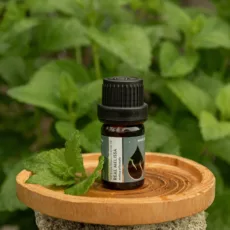
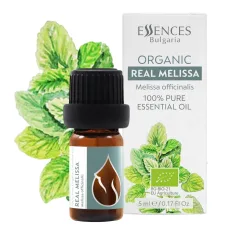
Lemon balm – the aroma of fresh lemon
At first glance, lemon balm looks like an ordinary garden herb, but its leaves hide a pleasant citrus aroma.
Lemon balm essential oil is among the most valuable oils, as the plant gives a relatively small yield and its production requires a large amount of raw material.
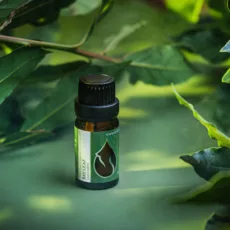
Bay leaf – more than a culinary spice
Bay leaf is known to everyone as part of favorite home recipes, but its leaves are also used to extract essential oil with a characteristic herbal and slightly spicy aroma.
Even in ancient times, the laurel wreath was a symbol of victory and wisdom.
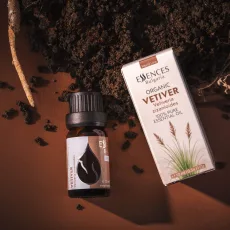
Vetiver – the aroma comes from the roots
Most essential oils are extracted from flowers, leaves or fruits, but in the case of vetiver, the most valuable part is the roots.
This tropical plant originates from Asia and is known for its deep, earthy and warm aroma.
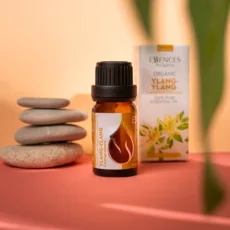
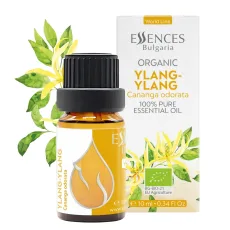
Ylang-ylang – the star of the tropics
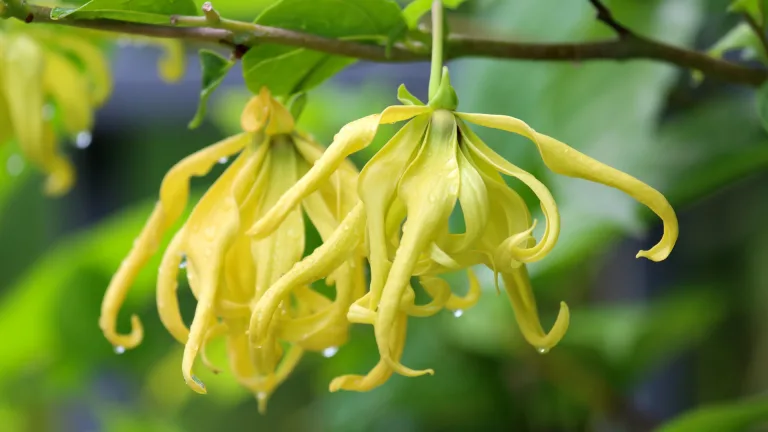
Ylang-ylang originates from Southeast Asia and impresses with its exotic yellow flowers.
Its name means “flower of flowers”, and its aroma is rich, sweet and extremely recognizable.
Cedarwood – the aroma of the forest in a bottle
Cedarwood is one of the oldest trees used by man. Even ancient civilizations valued its wood and aroma.
Today, cedar oil is among the most popular wood oils in the world.
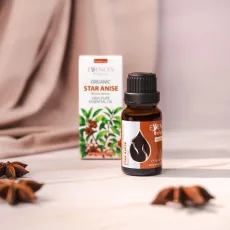
Star anise – a star-shaped aroma
The fruits of star anise look so beautiful that they are often used for decorative purposes.
In addition to its impressive shape, the plant is also known for its sweet, warm and characteristic aroma.
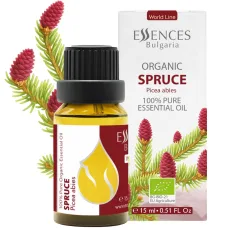
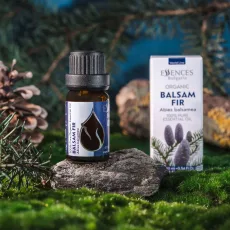
Spruce and fir – freshness from the mountains
Coniferous trees are also a source of valuable essential oils. Spruce, fir and pine bring the aroma of mountain forests and create a feeling of closeness to nature.
It is no coincidence that these aromas are especially popular during the winter months.
Nature never ceases to surprise us
From delicate rose petals to vetiver roots and exotic ylang-ylang flowers – each plant has its own story and character.
This is what makes the world of essential oils so interesting. Behind each bottle is a plant that nature has created and perfected over thousands of years.
Products mentioned in the article
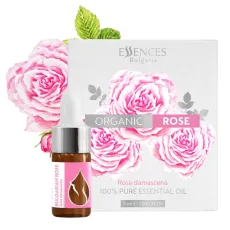




Original price was: € 12,90.€ 10,90Current price is: € 10,90.





Original price was: € 16,90.€ 13,90Current price is: € 13,90.